
How Kids Catering at Daycare and School Can Encourage Children to Try New Foods
Getting a young child to try something new can take more patience than preparing the meal itself. A vegetable they enjoyed last week may suddenly be rejected, while an unfamiliar dish can be met with suspicion before the first bite. For parents, these changing preferences can make it difficult to introduce variety and maintain balanced eating habits.
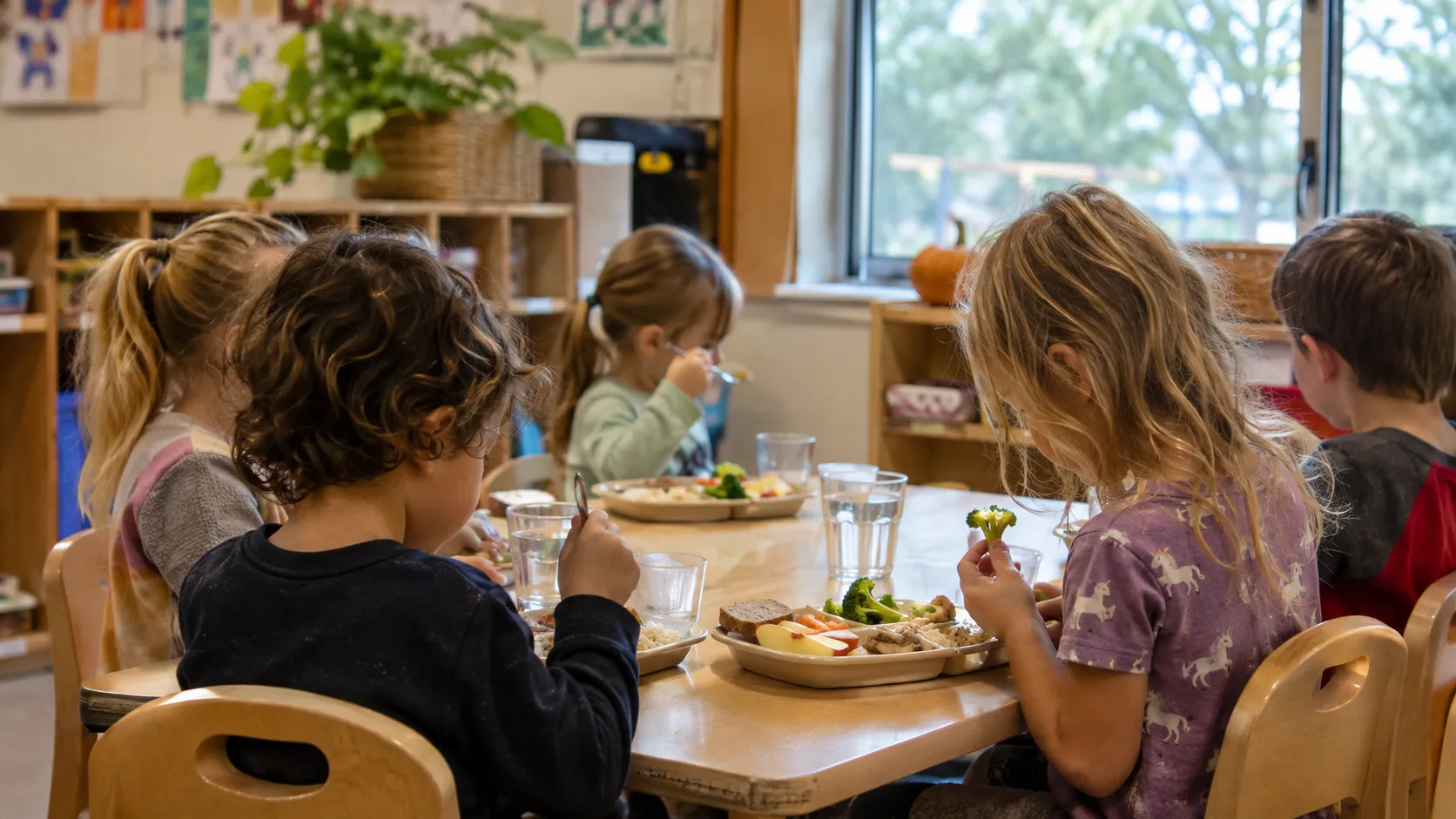
But children do not develop food preferences in isolation. Their experiences at daycare, preschool, and school can influence how they respond to unfamiliar ingredients. Sitting at a table with other children, seeing different meals, and participating in a predictable lunch routine can make trying new foods feel more natural.
This is one of the reasons that thoughtfully planned childcare meals matter. A well-organized kids catering program does more than provide food for the day. It creates regular opportunities for children to become familiar with different ingredients, flavors, and meal combinations.
Why Children Are More Willing to Try Foods Around Their Peers
Young children learn by observing the people around them. They watch how adults behave, imitate other children, and often become interested in activities simply because their friends are participating.
Eating is no exception.
When a child sees classmates enjoying roasted vegetables, rice, chicken, or a fruit they have never tried, that food may suddenly become more interesting. The presence of familiar peers can make an unfamiliar meal seem less intimidating.
This is sometimes called social modeling. Children observe another person’s behavior and use it as a reference for their own actions.
At daycare and preschool, shared mealtimes provide repeated opportunities for this kind of learning. A child who refuses a particular vegetable at home may become curious when another child eats it without hesitation.
It does not mean every child will immediately copy their classmates. However, seeing other children interact positively with different foods can help reduce uncertainty and encourage curiosity.
How Repeated Exposure Helps Children Become More Comfortable With New Foods
One tasting is rarely enough to establish a new food preference.
Children may need to encounter the same ingredient several times before they become comfortable with its appearance, smell, texture, and flavor. Sometimes they will look at it without touching it. Other times, they may take a small bite and decide they are not ready for more.
These experiences are part of learning.
A varied school or daycare menu can make repeated exposure easier because familiar ingredients can appear in different combinations throughout the week.
For example, carrots might be served as soft-cooked pieces in one meal and incorporated into a mild vegetable-based dish another day. Broccoli might appear alongside a familiar protein or grain rather than being introduced as an entirely unfamiliar plate of food.
This approach gives children opportunities to recognize ingredients in different forms without making every meal feel like a new experience.
For parents, the important takeaway is that refusing a food today does not necessarily mean a child will never enjoy it. Continuing to offer age-appropriate foods without pressure is often more productive than removing every previously rejected ingredient from the menu.
Why Variety Matters in Daycare and School Catering
A childcare menu should offer more than a rotating selection of meals that children already know.
Familiar foods have an important place because they help children feel comfortable at mealtimes. However, a menu that never changes also limits opportunities to experience different flavors and textures.
A thoughtfully planned school or daycare menu can balance recognizable dishes with gradual variety.
For example, a weekly rotation might include:
- Chicken with rice and soft-cooked vegetables.
- Whole-wheat pasta with a mild vegetable sauce.
- Turkey meatballs with potatoes and fruit.
- Bean-based dishes with familiar grains.
- Breakfast options featuring oatmeal, whole-grain pancakes, and fruit.
The goal is not to make every meal adventurous. It is to give children regular opportunities to experience different foods while keeping the overall menu approachable.
This is where a reliable kids catering Chicago program can support childcare providers. Consistent menu planning makes it easier to introduce variety across breakfasts, lunches, and snacks without requiring each center to organize food preparation independently.
The Role of Food Presentation in Children’s Willingness to Try Something New
Children often notice how food looks before they decide whether they want to taste it.
A meal with several ingredients mixed together may be less appealing to a child who prefers foods separated on the plate. Strong smells, unfamiliar colors, or unexpected textures can also influence whether a child feels comfortable approaching a new dish.
Simple presentation choices can make a difference.
Serving recognizable ingredients in manageable portions, avoiding unnecessarily complicated combinations, and keeping textures appropriate for the age group can make meals easier for young children to explore.
For example, a child who dislikes vegetables mixed into pasta may be more comfortable when the pasta and vegetables are served separately. Another child might prefer a soft vegetable incorporated into a familiar sauce.
There is no single presentation style that works for everyone. The useful approach is to offer variety while recognizing that children develop preferences at different speeds.
How Shared Mealtimes Create Opportunities to Learn Beyond Food
Daycare and school meals are also social experiences.
Children practice sitting with others, communicating their preferences, using utensils, and gradually becoming more independent. Depending on their age and developmental stage, they may also learn to serve themselves, pass food, or participate in simple mealtime conversations.
These everyday interactions can make eating feel like a normal part of the classroom routine rather than an isolated task.
A calm environment is particularly important. Children should have enough time to eat without being rushed, and adults can encourage positive food experiences without requiring everyone to finish their plates.
When mealtimes are treated as part of the learning day, food becomes connected to social development and growing independence.
Why Consistency Between Home and Childcare Matters
Parents and childcare providers do not need to serve identical meals. However, offering a similar approach to food can help children become more comfortable with variety.
If a child regularly encounters different fruits, vegetables, grains, and protein sources at daycare, parents can continue that exposure at home in ways that suit the family’s routine.
It can also be helpful for parents to know what their child has eaten during the day. This makes it easier to plan an evening meal without unnecessary repetition and understand which ingredients the child is becoming familiar with.
Communication about food preferences can work both ways. Parents can share which foods their child accepts at home, while childcare providers can explain which meals and ingredients have been introduced at school.
For centers looking for dependable school catering Chicago services, menu variety, age-appropriate preparation, and consistent meal delivery are important parts of building a positive daily food routine.
What Parents Should Look for in a Childcare Meal Program
Not all meal programs approach children’s nutrition in the same way. When evaluating the food served at daycare or school, parents can look beyond the daily menu and consider how the overall program is organized.
A thoughtful meal program should pay attention to several details:
Menu variety: Children should have opportunities to experience different food groups, ingredients, and preparations throughout the week.
Age-appropriate portions: Meals should reflect the needs of the children being served rather than simply using adult-sized portions.
Ingredient transparency: Parents should be able to ask questions about ingredients and communicate relevant allergies or dietary restrictions.
Predictable meal schedules: Breakfast, lunch, and snacks should fit naturally into the childcare day.
A positive eating environment: Children should be encouraged to explore food without pressure, competition, or punishment.
Parents may also want to ask whether the center follows CACFP meal pattern guidelines when participating in the program.
How HappyTummies Supports Better Mealtime Experiences
Providing meals for a group of young children requires more than preparing enough food for everyone. Childcare centers need menus that consider different age groups, familiar flavors, nutritional requirements, dietary needs, and reliable delivery schedules.
A dependable school lunch catering Chicago service can also help childcare providers maintain a consistent food program while giving children opportunities to experience different meals throughout the week.
Helping Children Become More Confident Eaters Takes Time
Children do not need to enjoy every vegetable, grain, or protein source immediately. Developing food preferences is a gradual process influenced by repeated experiences, familiar surroundings, and the people they eat with.
Parents can support this process by offering different foods without pressure, while daycare and school environments provide additional opportunities to observe, explore, and become familiar with new meals.
When nutritious food is served consistently in a positive social setting, even small experiences can contribute to a child’s growing confidence around eating.
The goal is not to make every child an adventurous eater overnight. It is to help them build a comfortable relationship with food, one meal at a time.