
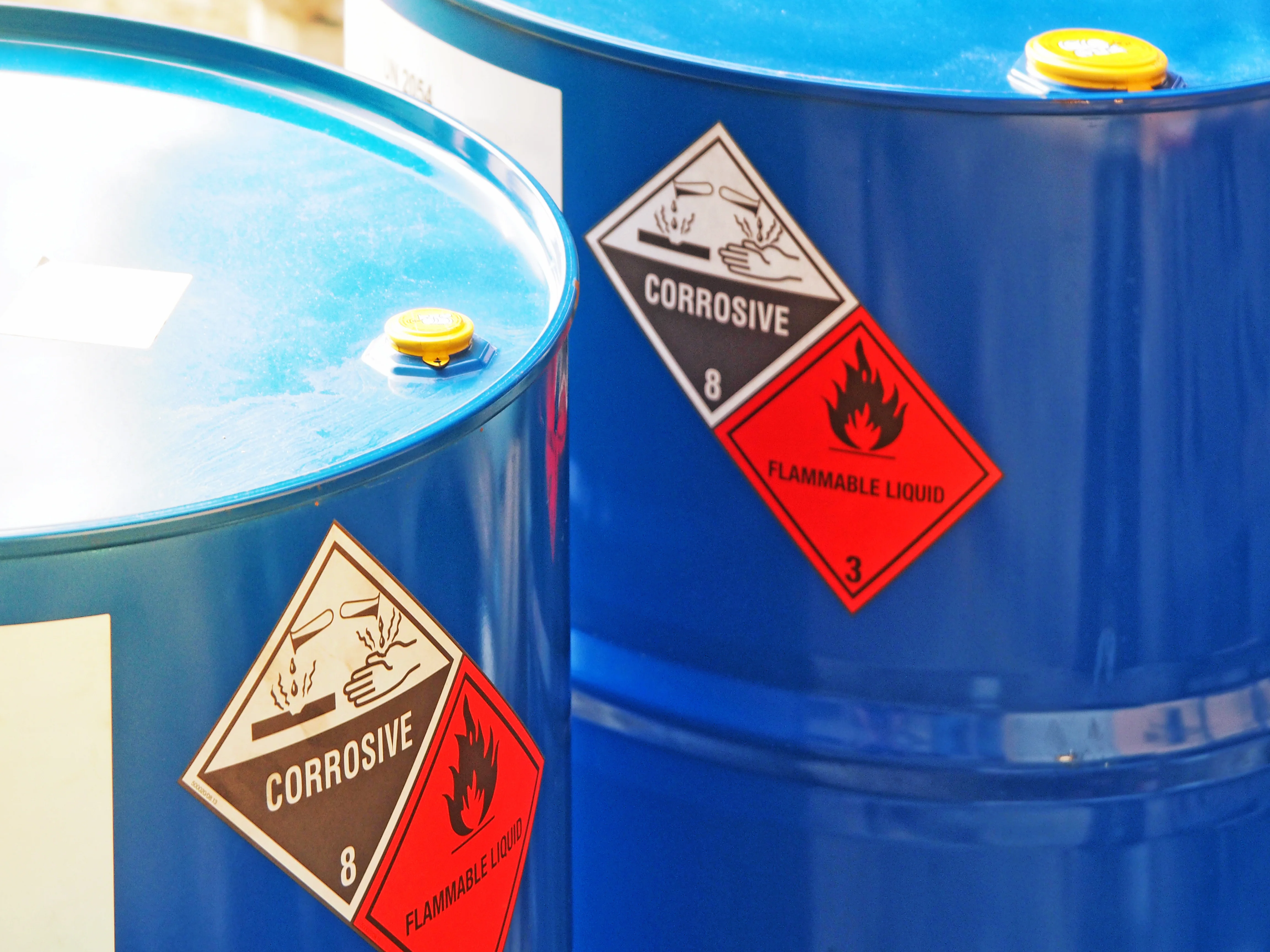
Managing industrial or commercial byproducts is a complex task, but few areas require as much diligence as hazardous waste disposal Los Angeles, California. Because these materials pose significant risks to human health and the environment, the regulatory landscape is dense, and the physical requirements for handling are stringent.
Whether you are managing a laboratory, a manufacturing plant, or a specialized workshop, understanding the lifecycle of hazardous materials is essential for maintaining safety and avoiding heavy legal penalties.
Understanding Hazardous Waste Categorization
Before beginning the process of hazardous waste disposal, it is critical to identify exactly what you are dealing with. Regulatory bodies typically categorize waste based on four primary characteristics:
-
Ignitability: Substances that can easily catch fire, such as solvents or certain oils.
-
Corrosivity: Strong acids or bases capable of corroding metal containers or damaging living tissue.
-
Reactivity: Chemically unstable materials that can cause explosions or toxic fumes when mixed with water or other substances.
-
Toxicity: Materials that are harmful or fatal when ingested or absorbed (e.g., mercury, lead, or certain pesticides).
The Steps of Effective Hazardous Waste Disposal
Proper hazardous waste disposal is not a single event but a multi-step process that begins the moment a material is deemed “waste.”
1. On-Site Identification and Segregation
Mixing different types of waste can lead to dangerous chemical reactions. Effective hazardous waste disposal Chicago, Illinois starts with clear labeling and the use of compatible containers. For example, corrosive waste must be stored in containers that will not degrade over time.
2. Secure Storage and Accumulation
Waste must be stored in designated areas that are equipped with secondary containment systems to catch leaks. There are strict “accumulation time limits” depending on how much waste your facility generates; exceeding these limits can result in significant fines.
3. Transportation and Manifesting
You cannot simply toss hazardous materials into a standard dumpster. Hazardous waste disposal requires licensed transporters who specialize in hauling dangerous goods. A “Uniform Hazardous Waste Manifest” must accompany the shipment, tracking the waste from “cradle to grave”—ensuring it arrives safely at a permitted treatment, storage, and disposal facility (TSDF).
4. Treatment and Final Disposal
Once the waste reaches a facility, several methods might be used for hazardous waste disposal Phoenix, Arizona:
-
Incineration: High-temperature burning that destroys organic hazardous constituents.
-
Chemical Treatment: Neutralizing acids or bases to make them non-hazardous.
-
Secure Landfills: Specialized units designed with double liners and leak-detection systems to prevent groundwater contamination.
Why Compliance Matters
The primary goal of hazardous waste disposal Denver, Colorado is the protection of the ecosystem. Improper dumping can lead to the contamination of soil and local water tables, leading to long-term environmental “legacy” issues that cost millions to remediate.
Beyond environmental ethics, strict adherence to hazardous waste disposal protocols protects your organization from:
-
Legal Liability: In many jurisdictions, the generator of the waste remains responsible for it forever (the “cradle to grave” principle).
-
Workplace Injuries: Proper handling prevents chemical burns, respiratory issues, and fires.
-
Reputational Damage: Environmental negligence can irreparably harm a brand’s standing with the public and stakeholders.
Best Practices for Minimizing Waste
The most efficient way to handle hazardous waste disposal Jacksonville, Florida is to generate less waste in the first place. Consider “source reduction” strategies:
-
Material Substitution: Switch to non-toxic or less-hazardous cleaning agents and raw materials.
-
Process Modification: Optimize manufacturing steps to increase efficiency and reduce byproduct volume.
-
Recycling and Recovery: Some solvents and metals can be reclaimed and reused, potentially removing them from the hazardous waste disposal stream entirely.
Moving Forward
Navigating the intricacies of hazardous waste disposal requires a proactive approach and a commitment to ongoing education. As regulations evolve and new materials enter the market, staying informed is your best defense against accidents and non-compliance.